Brick Kiln Machinery Manufacturer in India
Brick kiln machinery for clay mixing, the gara process, brick production, airflow and coal sizing. Built at our own unit in Sambhal, Uttar Pradesh for kiln owners.
Brick quality starts with the right machinery
A brick kiln may need different machinery for clay preparation, the gara process, brick production, airflow and fuel sizing. Which machine fits depends on the kiln process, material and output.
We offer pugmill machines, gara machines, brick-making machines, ID fans and coal crushers from Sambhal, Uttar Pradesh. Configuration is discussed after understanding kiln size, daily production and the existing layout, because one model does not fit every kiln.
Jump to product rangeWhich machine does which job
Understand the job first, then choose the machine. Each job below links to the matching machine.
Gara process
Gara machine configuration based on kiln material, site and production target.
Brick production
Brick-making machine selection based on brick type, output target and site requirements.
 11
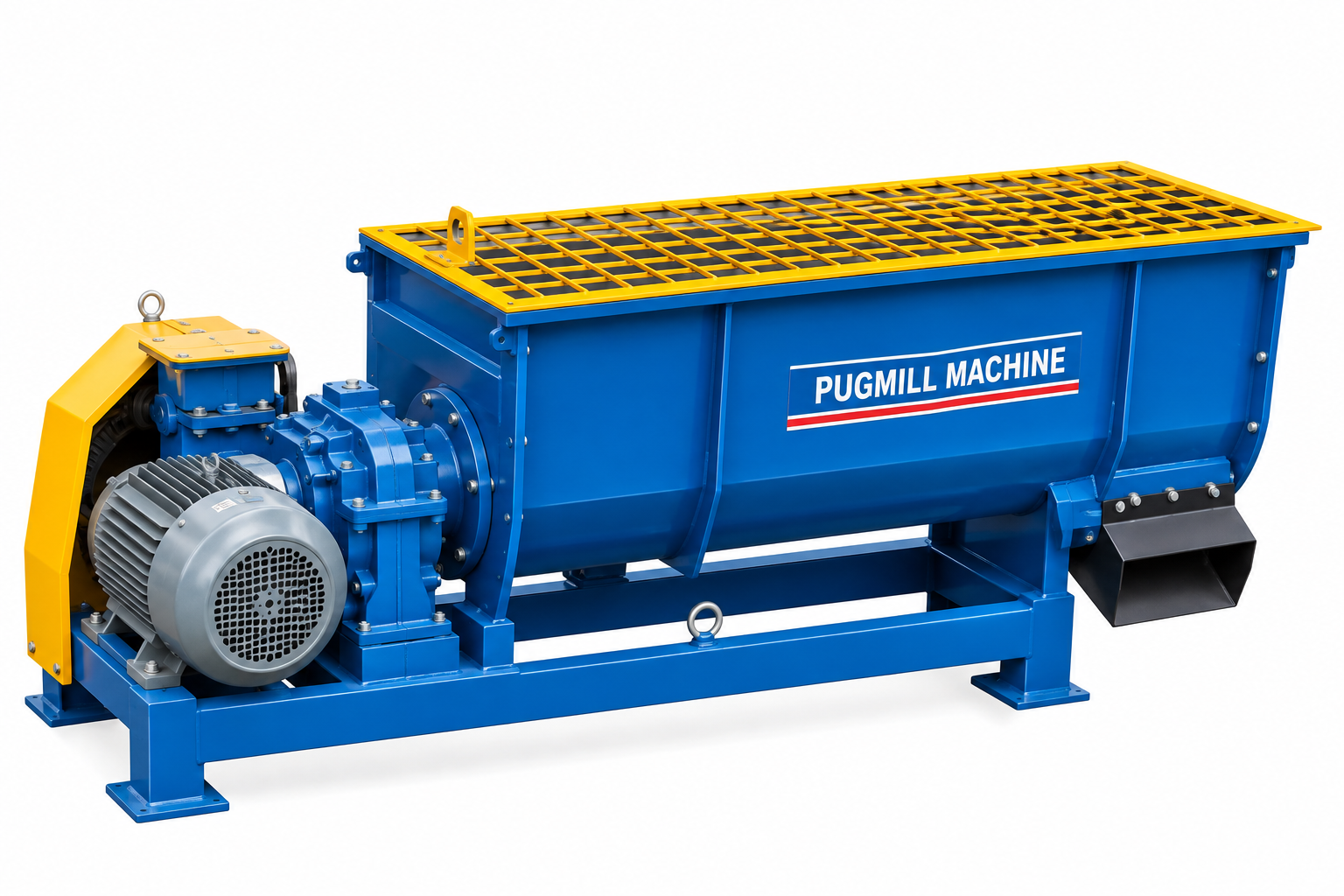
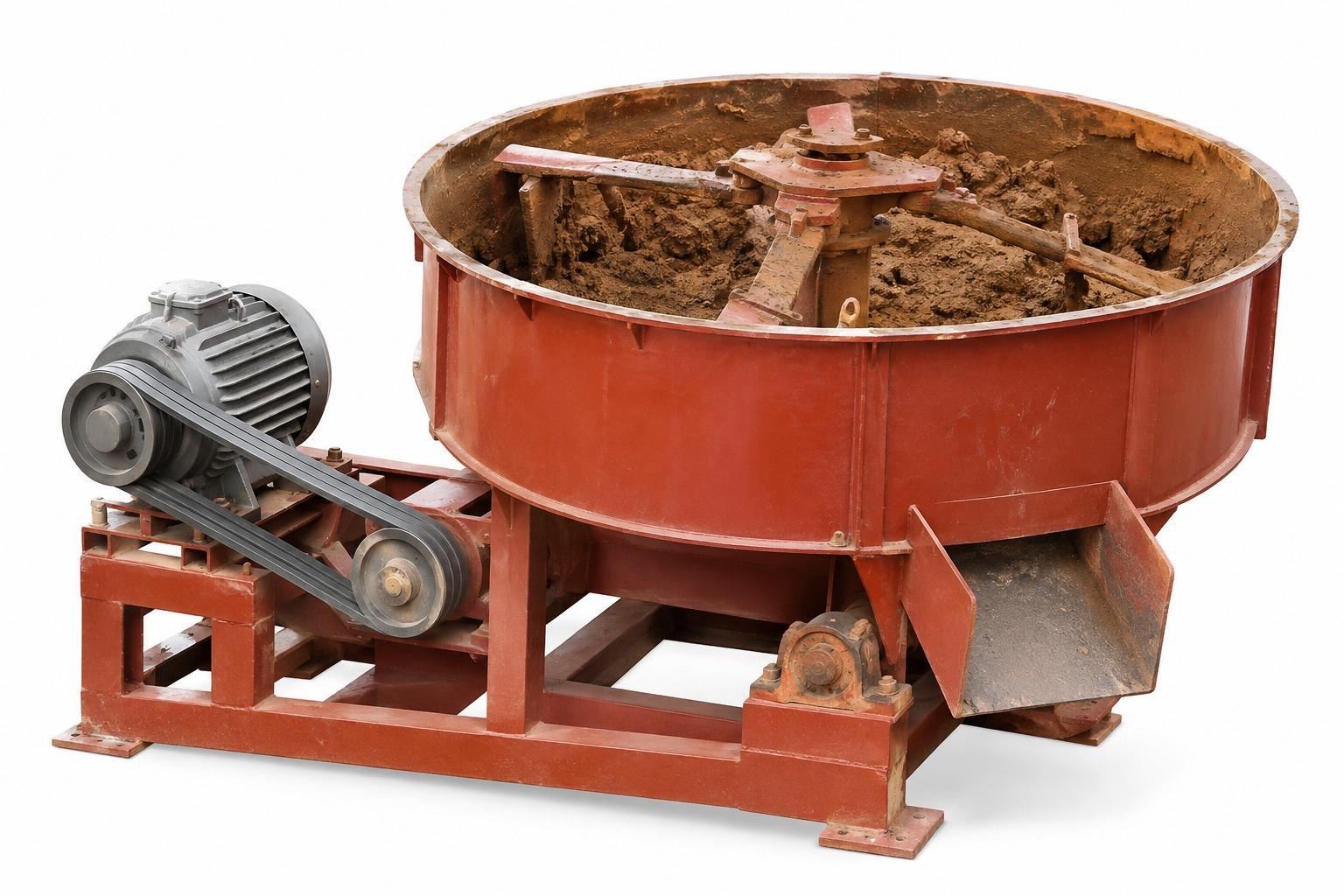
Pugmill Machine
Pugmill machine mixes soil, water and additives evenly. It prepares consistent clay for the brick kiln so brick quality stays uniform.
 12
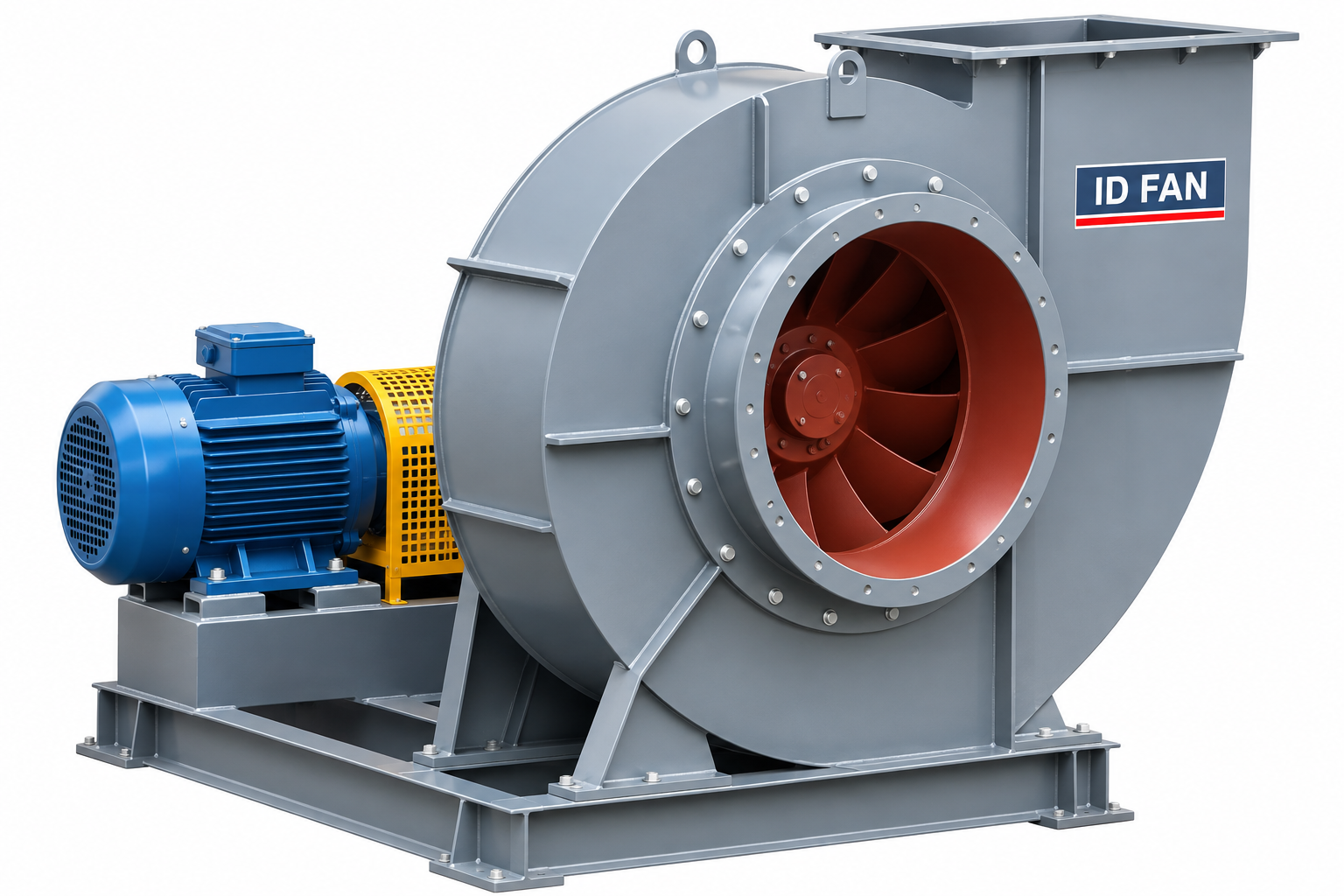
ID Fan
ID fan controls induced draught in a brick kiln. Correct airflow gives even firing, saves fuel and keeps the smoke path clear.
 13
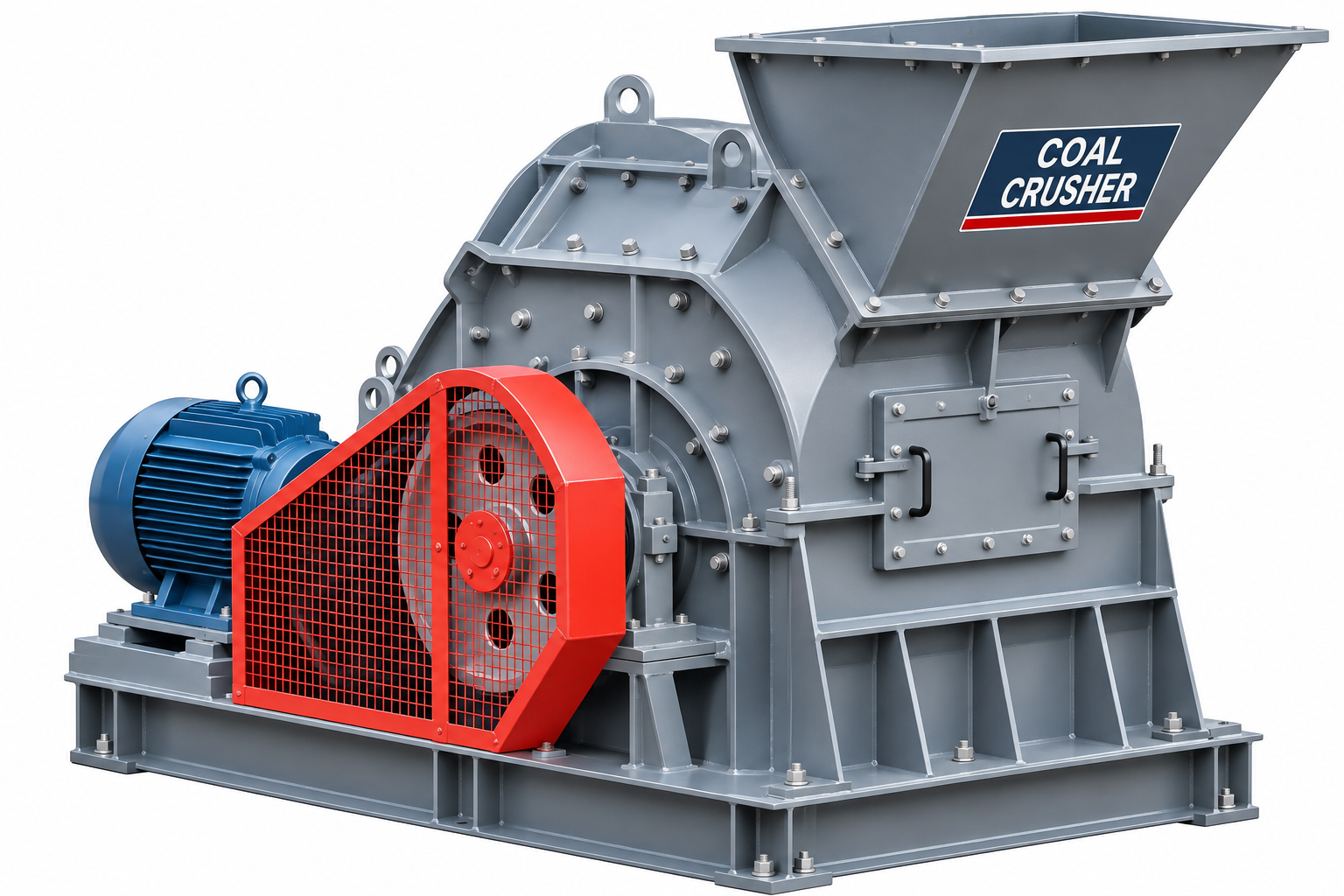
Coal Crusher
Coal crusher breaks coal to the right size for a brick kiln. Uniform coal size keeps firing consistent and reduces fuel waste.
 14
Gara Machine
Requirement-led machine selection for the gara process at a brick kiln. Bharat Agricultures in Sambhal, Uttar Pradesh discusses configuration around kiln layout and target production.
 15
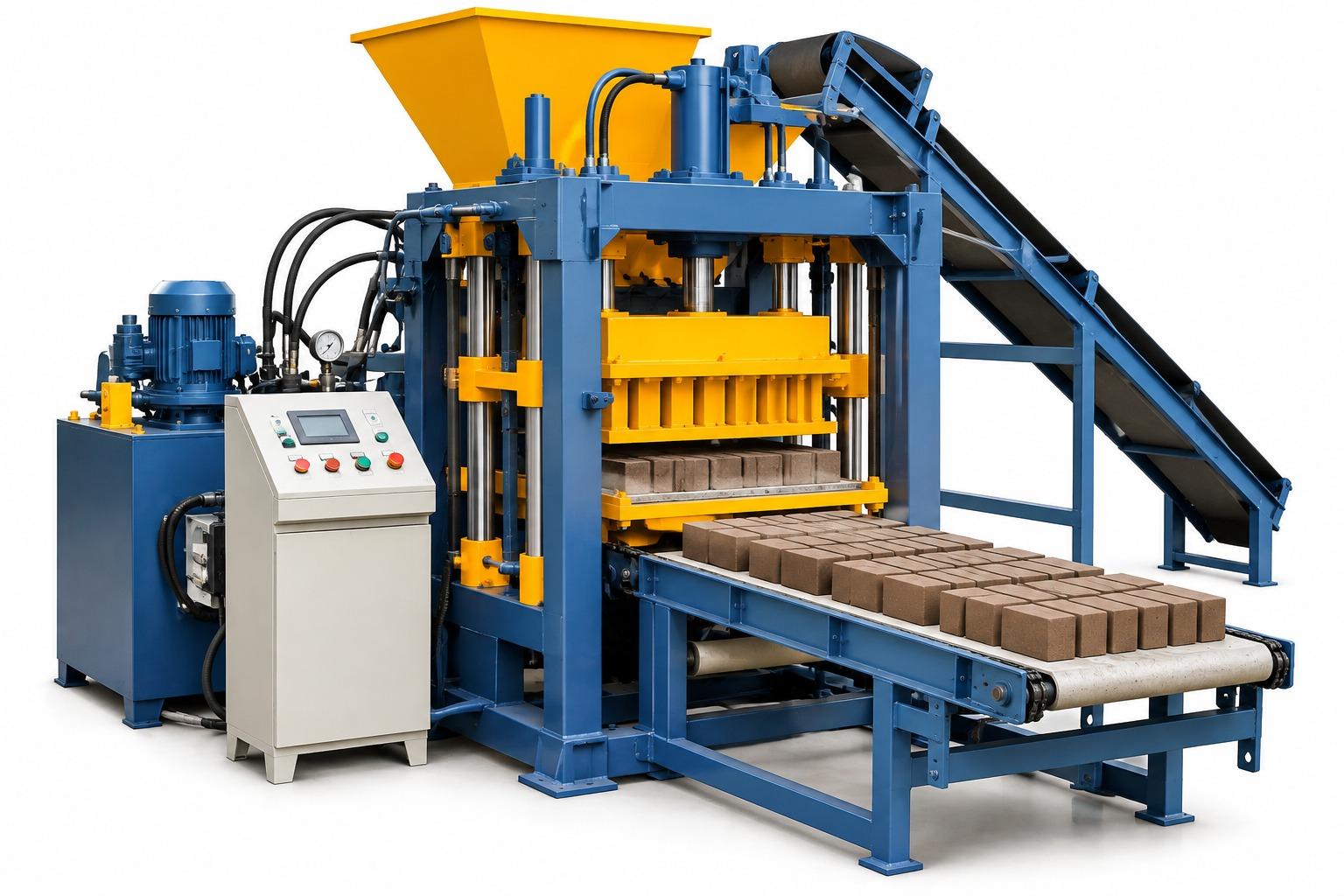
Brick-Making Machine
Brick-making machine selection for kiln owners and brick manufacturers. Bharat Agricultures in Sambhal, Uttar Pradesh discusses machine setup around your brick type, production target and site requirements.
The practical advantage of buying from the manufacturer
Rate, specification and spare parts — straightforward, with no middleman.
Matched to the kiln layout
Fan duct, pugmill placement and crusher feeding line are all discussed around your existing setup.
Wear parts ready
Pugmill blades, crusher hammers, screens and bearings are supplied separately as wear parts.
Focused on firing
Every machine has the same goal: keep kiln output consistent and reduce fuel waste.
Requirement-led configuration
Brick type, site layout, power and target output are used to confirm specifications before the quote.
Direct manufacturer rate
Machines are built at our own unit, so the rate is discussed directly without middleman commission.
From enquiry to dispatch
Three simple steps. When the requirement is clear, the quote and timeline come faster.
Tell us the kiln size
Daily brick production, kiln type, gara process and available power — these details drive the machine configuration.
Discuss the site and layout
Where the pugmill, fan and crusher will sit, and how the duct will run, is understood first.
Quote, dispatch and setup
Once the requirement is locked, you get the factory rate, dispatch plan and basic commissioning guidance.
Brick Kiln Machinery — questions and answers
The questions that come up most. If yours is different, call or message us on WhatsApp.
Which machine should a brick kiln buy first?
If clay mixing is manual, a pugmill comes first because it decides brick quality. After that, an ID fan for firing control and a crusher for coal sizing.
Can you build machinery for an existing kiln?
Yes. Share your kiln size, duct layout and power availability, and we can build a machine around that setup.
What is the benefit of buying several brick kiln machines together?
Buying from one manufacturer makes sizing, dispatch and spare parts coordination easier. Bulk requirements can be discussed with rate and schedule.
Which spares should I keep for maintenance?
Pugmill blades, crusher hammers and screens, and fan bearings. These are wear parts, and one spare set prevents production stoppage.
How do I get a quote for a gara machine or brick-making machine?
Share the kiln type, brick or material requirement, target output, site layout and power availability. Configuration and quotation are discussed on that basis.