

Brick Kiln Machinery Parts
Pugmill blades, crusher hammers, screens and ID fan components — wear parts that keep firing and production moving.
Kiln downtime is the most expensive
A brick kiln runs around the clock. If a pugmill blade wears out, a crusher hammer breaks or a fan bearing fails, production stops immediately. Keeping wear parts in stock is therefore the most practical investment for kiln owners.
We make and supply parts for brick kiln machinery, from pugmills to coal crushers and ID fans. Share the part detail, machine size and quantity, and we will confirm availability and rate.
Send a part enquiryWhich parts are available
Every group includes wear parts and replacement components. Send a photo or sample for an exact match.
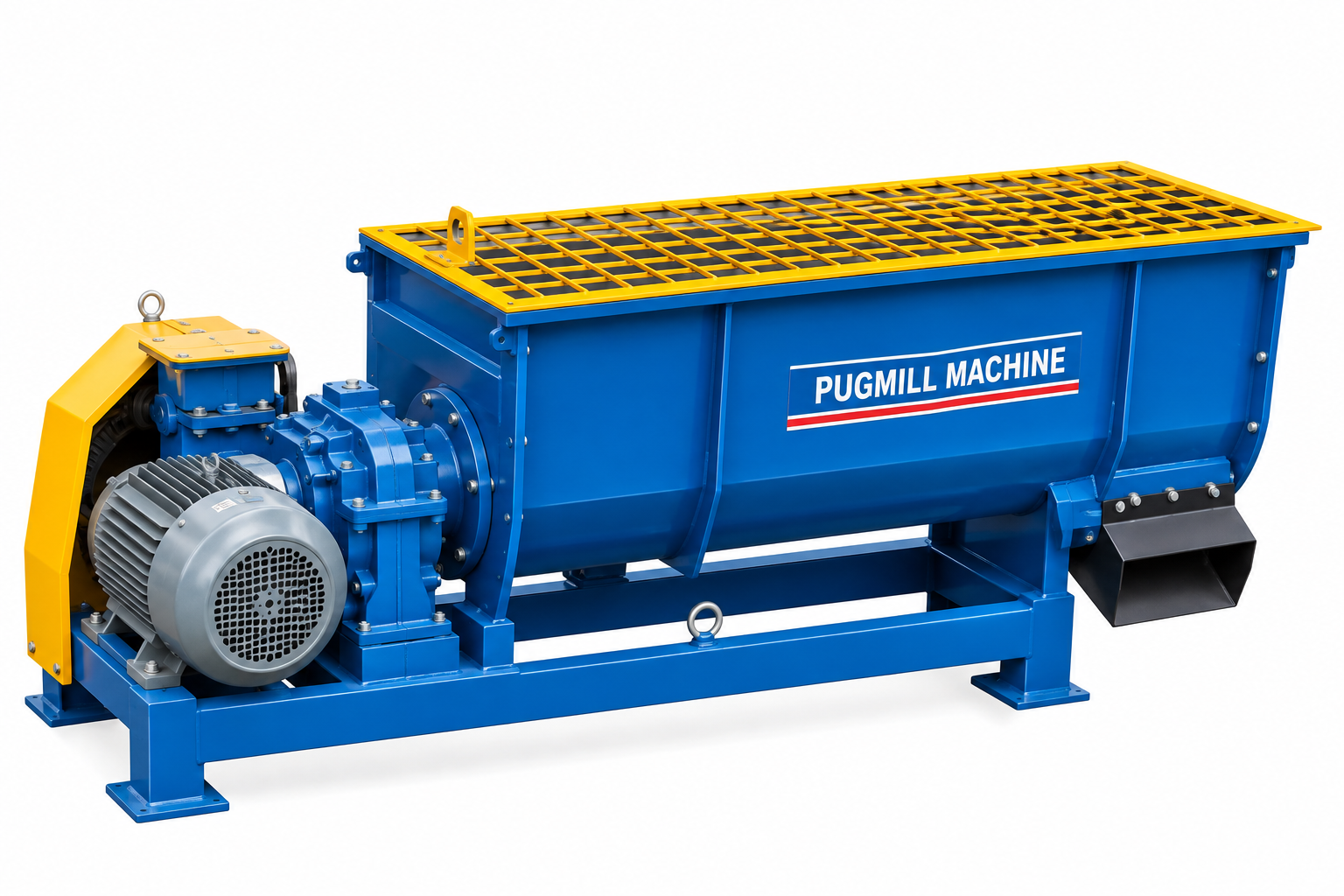
Pugmill parts
Mixing blades, liners and shaft components — the core wear section of clay mixing.
- Mixing blades
- Wear liners
- Shaft sleeves
- Discharge gate parts
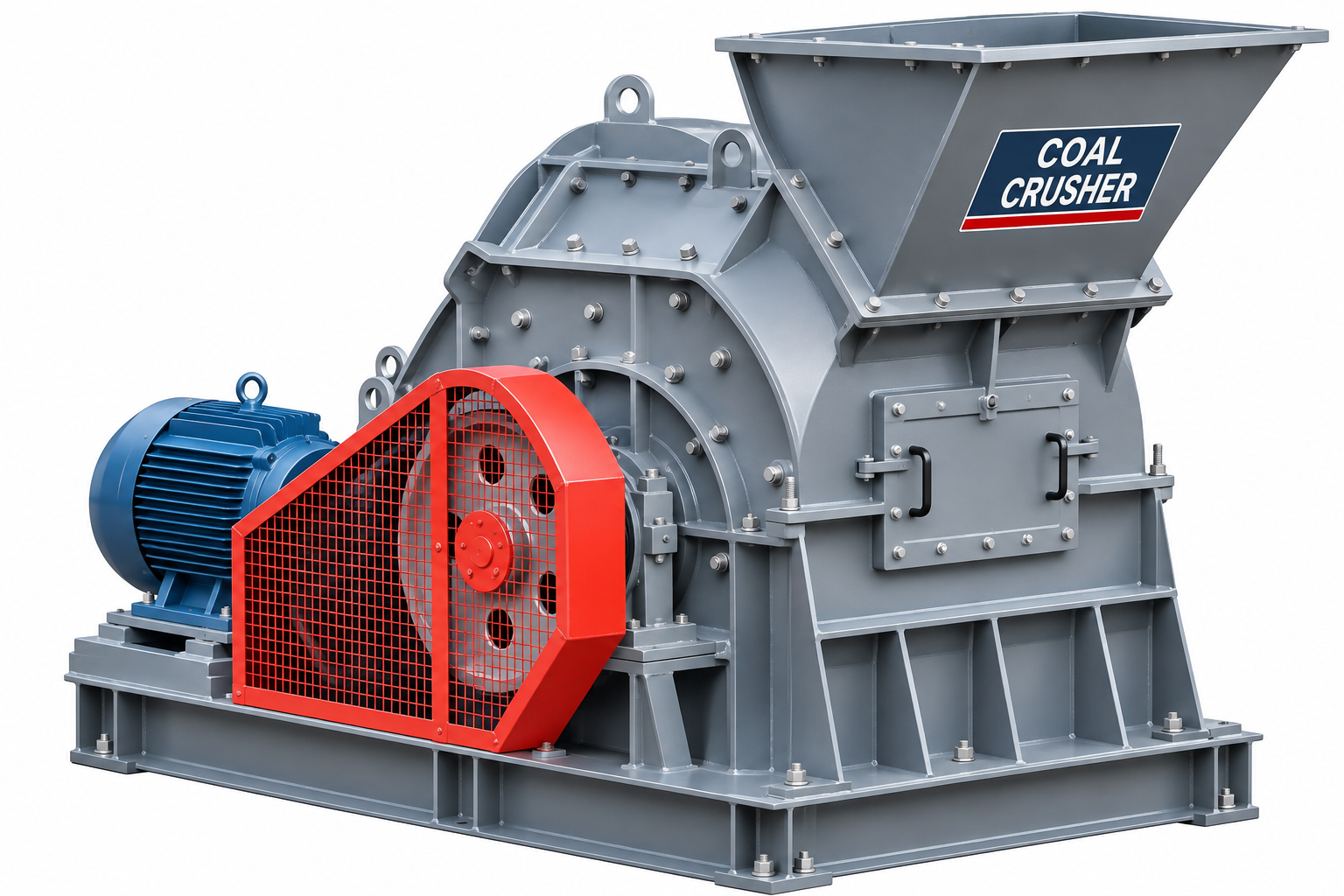
Crusher parts
Hammers, screens and crushing chamber liners for coal sizing.
- Crusher hammers
- Screens
- Chamber liners
- Drive belts
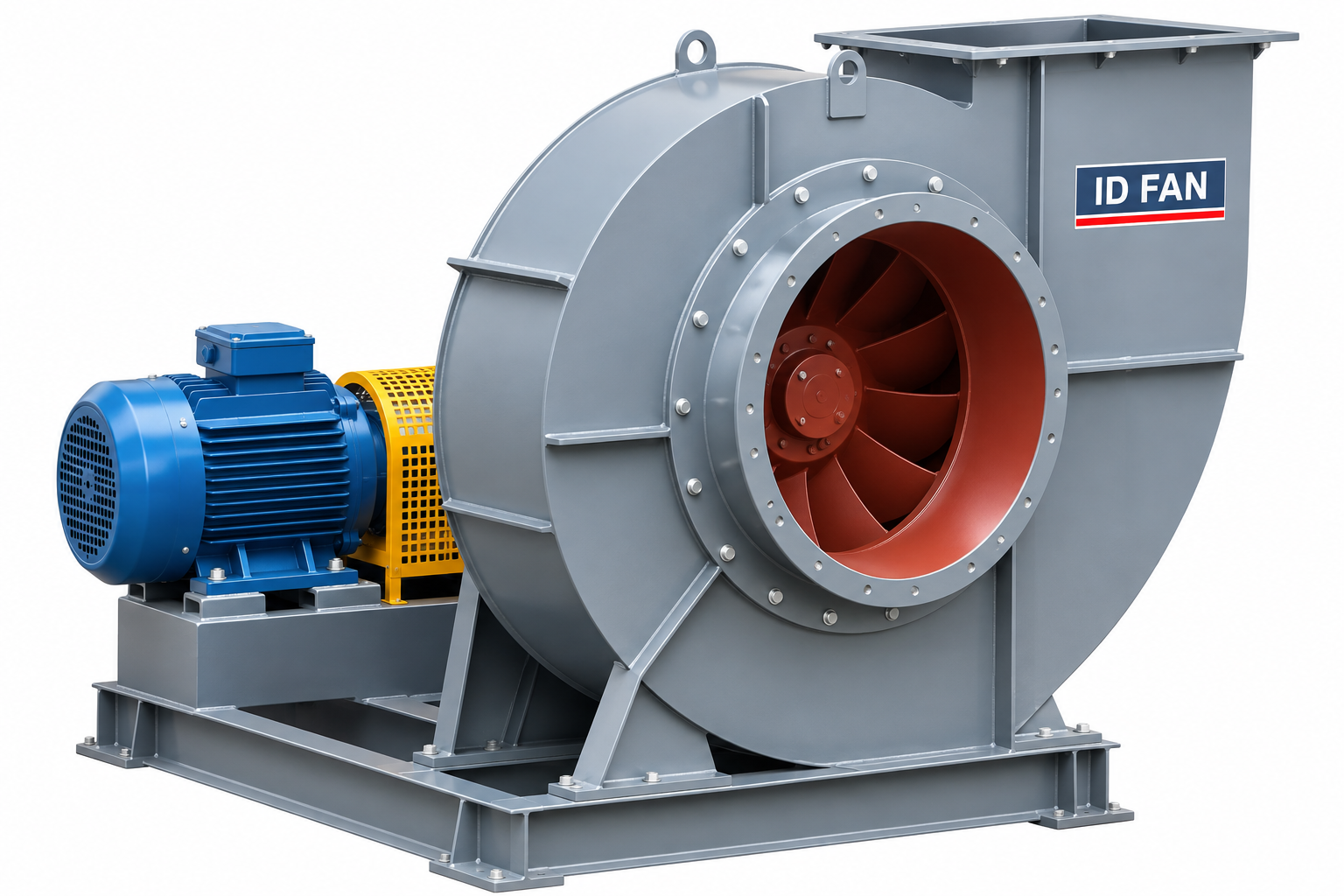
ID fan parts
Impeller, shaft, bearings and couplings for airflow control.
- Impeller
- Shaft
- Bearing housing
- Coupling
Structural and drive
Flanges, mounts and drive components that match the machine to the site layout.
- Duct flanges
- Motor mount
- Pulley
- Fasteners
Share these details when ordering a part
A part matches correctly only when both the machine and size are clear. These four details speed up the enquiry.
Machine type and size
A photo or sample of the part
Material or thickness if known
Quantity and delivery location
Brick Kiln Machinery Parts — questions and answers
Common questions about part identification, quantity and delivery.
How often should a pugmill blade be replaced?
It depends on the sand and grit in the soil. When the blade profile wears and mixing time starts increasing, plan a replacement. Keeping a spare set is better.
Do the crusher hammer and screen both need replacing?
Not necessarily. A worn hammer can change output size, and the screen may wear separately. Check the condition of both individually.
How do I know an ID fan bearing is failing?
Increased noise, vibration, or heat even after greasing are the signs. Continuing to run the fan in that condition increases load on the shaft.
Do you provide fitting support on site?
Basic guidance and fitting instructions are provided. Larger replacement schedules can be discussed separately.