Cultivator Manufacturer in India
Tractor cultivator breaks hard soil and prepares the field for sowing. Spring and rigid tine options, sized to your tractor.
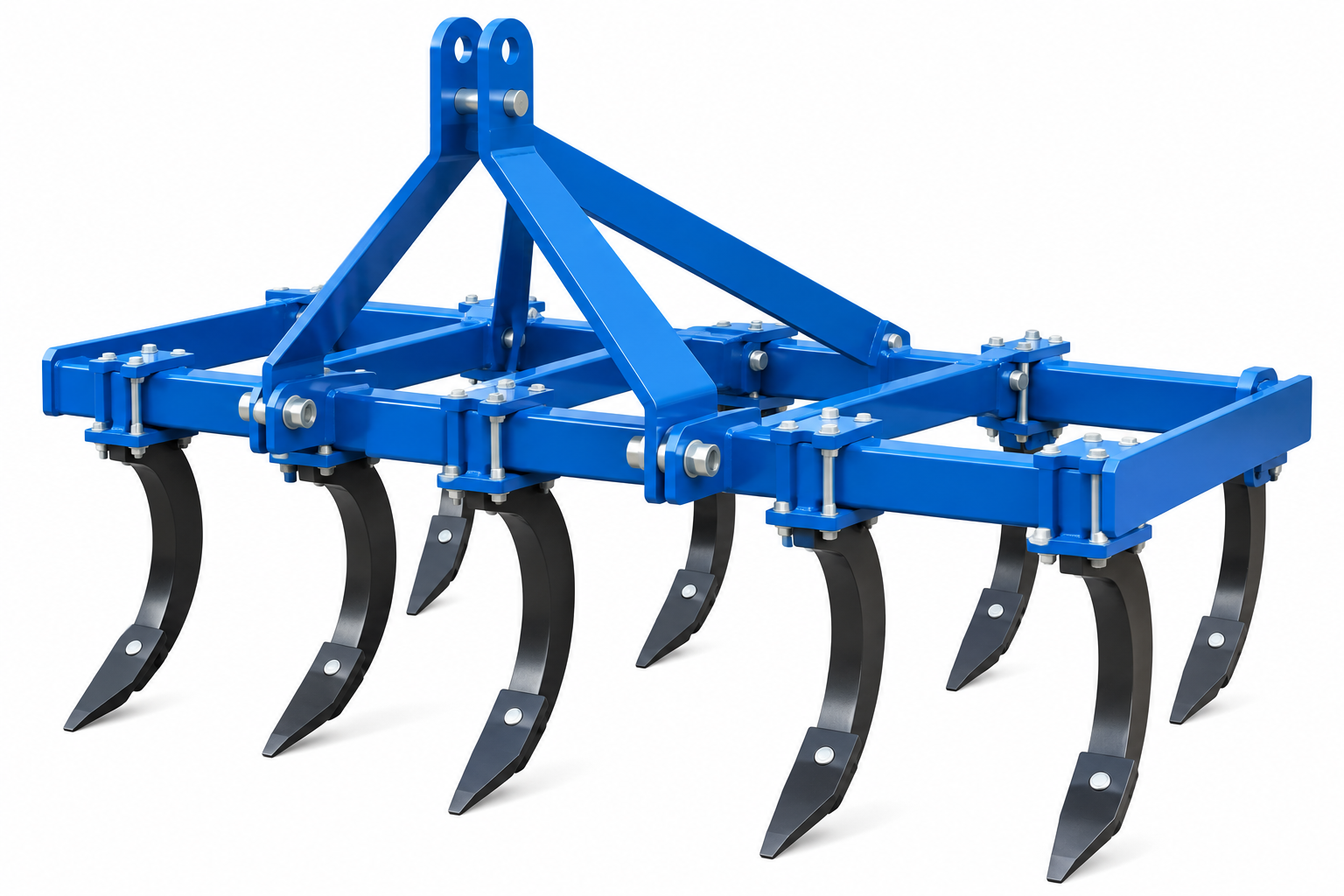
Cultivator — overview
After harvest, the soil becomes hard. If seed is sown directly, roots have no space to move down and germination suffers. Cultivator tines break the soil and loosen it enough for seed and fertiliser to go in.
We build tractor cultivators in Sambhal, Uttar Pradesh. Tine count, frame width and hitch angle are set so the implement runs straight behind the tractor with a low draft. Spring tine options are better for stony ground.
At a glance
- Model
- As per tractor HP
- Tine type
- Rigid / spring
- Working width
- Depends on tractor and field
- Material
- Steel frame with replaceable tines
- Price
- On quote
For the exact rate and availability, send your requirement — we will share the direct factory rate.
Send requirementWhere it is used
Every field and every crop has a different requirement. These are common use cases — share yours and we will suggest a setup for it.
- First tillage after harvest
- Breaking hard soil
- Preparing the seedbed before sowing
- Mixing fertiliser into the soil
Key components
These parts are the core of the machine. Wear parts are supplied separately so the whole setup does not need replacing mid-season.
How it works
The machine is designed keeping daily field or kiln conditions in mind.
Rigid and spring tines
Rigid tines are strong for normal soil; in stony ground spring tines absorb shock and reduce tine breakage.
Strong main frame
The frame uses a section that will not bend even in deep tillage.
Depth adjustment
Tillage depth can be set with a depth wheel or linkage according to crop and soil.
Benefits
- Loose soil gives seed room to grow
- Low draft and less load on the tractor
- Spring tines absorb stone shocks
- Replaceable tines for easy maintenance
Cultivator — questions and answers
Common questions about rate, setup and spare parts. For more detail, call or message us on WhatsApp.
When should I use a cultivator and when a disc harrow?
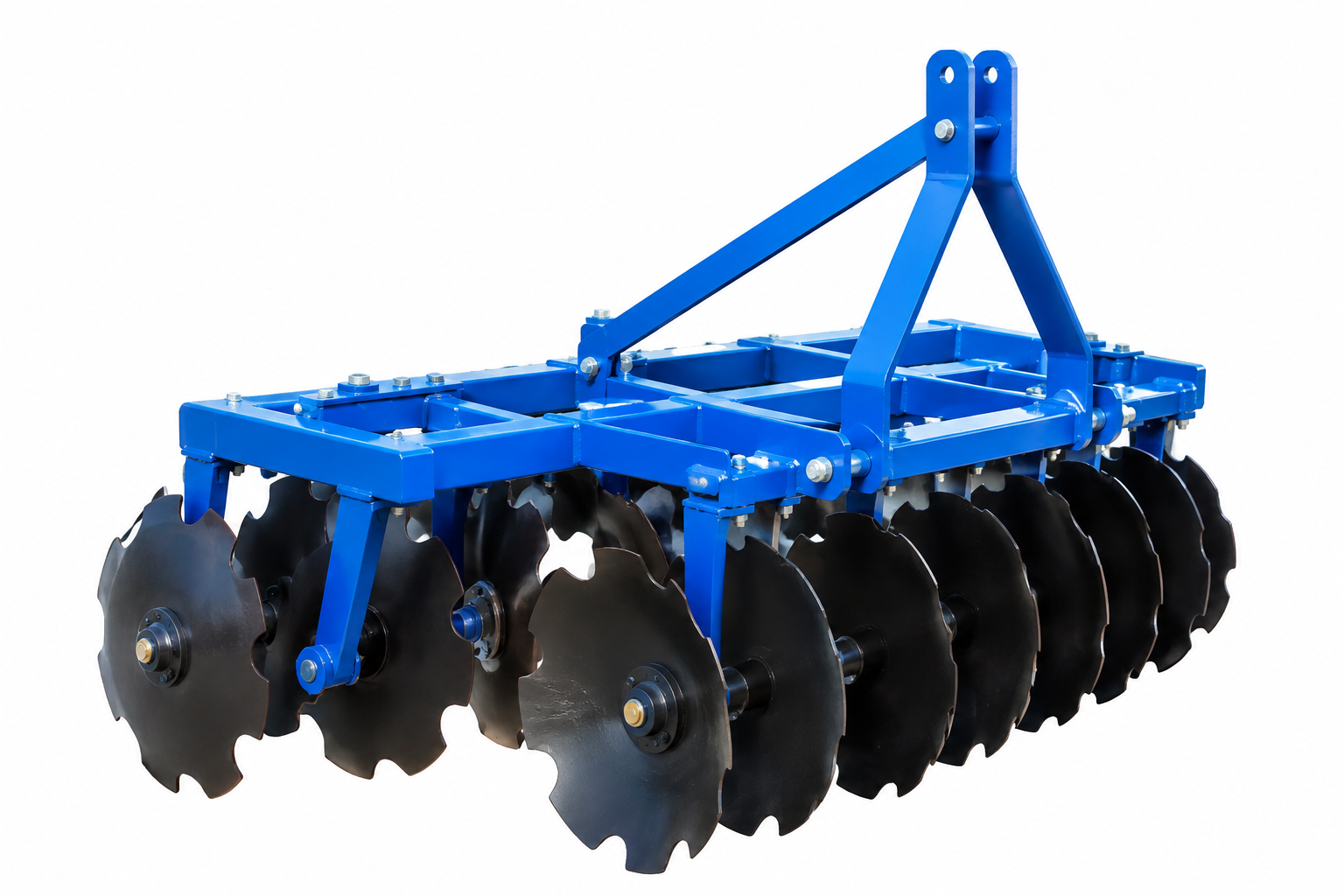
A cultivator is right for first tillage. If there is a lot of crop residue or the soil is hard, a disc harrow gives a stronger result. Many farmers use a cultivator first, then a harrow.
How many tines should my cultivator have?
Tine count depends on tractor HP and field size. More tines is not always better; tractor load also matters.
What are the benefits of spring tines?
Spring tines bend and absorb shock on stones or a hard layer, reducing sudden load on the tine and frame. In normal soil, rigid tines are simpler and more economical.
What if a tine wears out?
Tines are replaceable. A worn tine reduces tillage depth and increases draft, so replace it on time.